Add Your Heading Text Here
The Tragic Consequences of Untrained Police Interactions with Mental Health Patients
In recent years, the intersection between law enforcement and mental health has gained increasing attention, particularly when encounters result in tragic outcomes. A lack of adequate training for police officers in handling mental health crises can lead to fatal consequences, exacerbating the trauma for families and communities. This paper explores the ramifications of such encounters, the aftermath, and the broader societal impact.
The Encounter: A Recipe for Tragedy
When police officers respond to situations involving individuals experiencing mental health crises, the outcome can be dire if the officers lack appropriate training in de-escalation techniques. Mental health patients may exhibit behaviors that are misunderstood as threatening or non-compliant. For instance, a person having a psychotic episode may be unable to follow commands or might act erratically, which can be perceived as aggression. Without the skills to recognize and appropriately respond to these behaviors, officers might escalate the situation unintentionally.
In some tragic cases, this escalation results in the use of lethal force. According to a report by the Treatment Advocacy Center, individuals with untreated mental illness are 16 times more likely to be killed during a police encounter than other civilians approached or stopped by law enforcement. This statistic highlights the critical gap in training and preparedness among many police departments.
The Aftermath: A Ripple Effect of Trauma
The immediate aftermath of such an encounter is devastating. The victim’s family is often left in shock and grief, grappling with the sudden and violent loss of their loved one. This loss is compounded by the knowledge that the death might have been preventable with proper intervention. Families may experience a range of intense emotions, including anger, guilt, and helplessness. They often face long-term psychological impacts such as depression, anxiety, and post-traumatic stress disorder (PTSD).
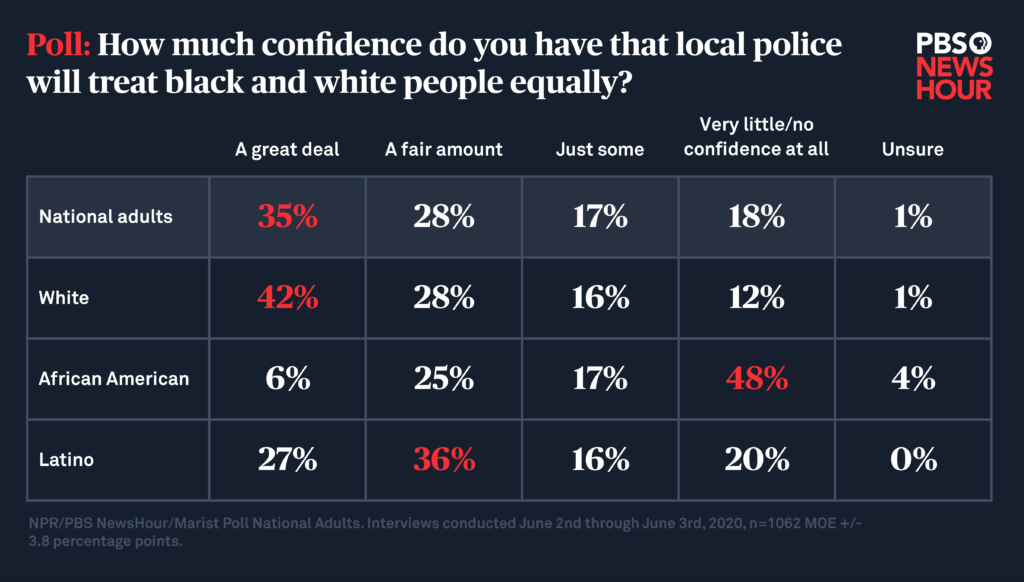
Moreover, the community at large is also profoundly affected. The death of a community member at the hands of the police can erode public trust in law enforcement. This erosion is particularly acute in communities of color, where police violence is already a significant concern. The sense of safety and trust in public institutions is shattered, leading to increased tension and a potential rise in community activism and protests.
The Broader Impact on Mental Health and Society
The implications of these encounters extend beyond immediate families and communities. They reflect and contribute to systemic issues within both the mental health and criminal justice systems. A significant consequence is the stigmatization of mental illness. When mental health crises are met with force rather than care, it perpetuates the notion that individuals with mental health issues are dangerous, further marginalizing an already vulnerable population.
From a societal perspective, these incidents highlight the urgent need for comprehensive reforms. One critical area is the training and education of law enforcement officers. De-escalation training, crisis intervention strategies, and education on mental health are essential components that need to be integrated into police training programs. Some jurisdictions have begun to implement Crisis Intervention Teams (CIT), which pair mental health professionals with police officers to respond to crisis situations. These teams have shown promise in reducing the number of fatal encounters and improving outcomes for individuals in crisis.
Additionally, there is a pressing need to expand mental health services and support systems. Ensuring that individuals have access to appropriate care before a crisis occurs can prevent many of these tragic encounters. Investment in community-based mental health resources, crisis hotlines, and mobile crisis units can provide alternative responses to police intervention.
Conclusion: A Call for Change
The tragic outcomes of police interactions with mental health patients underscore the critical need for change. The loss of life, the psychological trauma inflicted on families, and the broader societal implications demand urgent attention. By investing in proper training for law enforcement, expanding mental health resources, and fostering collaboration between mental health professionals and police, we can work towards a more compassionate and effective response to mental health crises. It is a moral imperative to ensure that individuals in crisis receive the care they need, rather than becoming victims of a system ill-equipped to handle their needs.